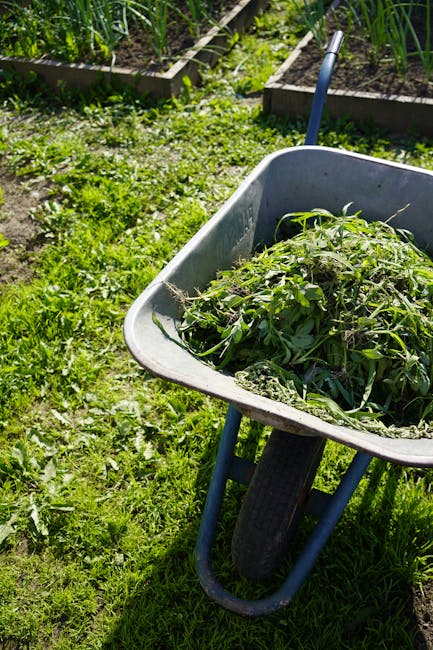
Penrhyn Road residents guide to garden rubbish removal
If your garden is filling up with cuttings, broken pots, old fencing or that awkward pile of "I'll deal with it later" junk, you are not alone. This Penrhyn Road residents guide to garden rubbish removal is here to make the whole job feel less messy, less stressful, and a lot more manageable. Whether you have a compact courtyard, a shared outdoor space, or a back garden that has got a bit wild after a few busy weeks, the same basic question comes up: what should go, how should it go, and what is the smartest way to clear it without creating another headache?
In practice, garden waste removal is part decluttering, part heavy lifting, and part knowing what can be recycled or needs separate handling. The good news? You do not need to overcomplicate it. With a clear plan, you can clear the space safely, protect the surroundings, and choose the method that makes sense for the amount and type of waste you have. Below, you will find a straightforward, local-friendly breakdown that covers the process from first sort to final sweep-up.
Expert summary: The best garden rubbish removal plan is rarely the flashiest one. It is the one that matches the volume of waste, avoids contamination, and keeps you from paying for avoidable mistakes.
Table of Contents
- Why garden rubbish removal matters for Penrhyn Road residents
- How garden rubbish removal works
- Key benefits and practical advantages
- Who this is for and when it makes sense
- Step-by-step guidance
- Expert tips for better results
- Common mistakes to avoid
- Tools, resources and recommendations
- Law, compliance, standards, or best practice
- Options, methods, or comparison table
- Case study or real-world example
- Practical checklist
- Conclusion
- Frequently asked questions
Why garden rubbish removal matters for Penrhyn Road residents
Garden waste is not just a cosmetic issue. Left sitting around, it can make a small outdoor space feel cramped, attract pests, block access, and turn routine jobs like mowing or sweeping into a much bigger ordeal. For Penrhyn Road residents, where outdoor space may be limited and access can be tight, a cluttered garden can also make it harder to move items out safely and efficiently. That matters more than people think.
There is also the practical side. A garden tidy-up often creates mixed waste: branches, leaves, old soil bags, damaged planters, offcuts from DIY, and sometimes bits of old furniture or broken household items that somehow ended up outside. If you dump everything together without thinking it through, you can create sorting problems later. And let's be honest, nobody wants to spend a Saturday separating soggy hedge trimmings from rusty metal frames because it was all piled in one corner in the rain.
Garden rubbish removal matters because it gives you control. Control over space, control over safety, and control over where your waste goes. If you want to compare how a professional clearance fits into the wider picture, the service overview on garden clearance is a useful place to start. It helps to see the job as more than "taking away rubbish"; it is really about making your outdoor space usable again.
How garden rubbish removal works
Most garden rubbish removal jobs follow the same basic flow, whether you do it yourself or book help. First comes sorting. Then lifting, loading, transport, and disposal or recycling. Sounds simple. In reality, the details decide whether it goes smoothly or becomes one of those annoying jobs that stretches into the evening.
Start by separating green waste from hard waste. Green waste usually means leaves, grass cuttings, hedge trimmings, small branches and plant matter. Hard waste is everything else: pots, broken tools, bagged soil, timber, fencing panels, old play equipment, broken plant supports, and the odd mystery item that was probably useful five years ago. Some materials can be reused or recycled, while others need more careful handling.
For many households, the fastest route is to gather everything into a clear pile or set of piles, then arrange a collection. If you are unsure how different waste types are handled, the page on waste removal explains the broader service approach in plain English. That is useful because garden waste often sits in the grey area between tidy organic material and general rubbish.
A professional clearance visit usually includes loading the waste, clearing the area, and taking items away in one go. That can be far easier than making repeated trips to a recycling centre, especially if you have awkward access, bulky branches, or anything damp and heavy. Truth be told, wet hedge cuttings are heavier than they look. Every single time.
Key benefits and practical advantages
The obvious benefit is a tidier garden. But the real value goes deeper than that.
- Faster restoration of usable space: You get your patio, path, lawn or storage area back without waiting around for multiple trips.
- Safer movement around the property: Fewer trip hazards, fewer sharp edges, and fewer obstacles in narrow side passages.
- Better recycling outcomes: Sorted waste is more likely to be handled responsibly, especially when green waste stays separate from mixed rubbish.
- Less physical strain: Heavy bags, damp soil, branches and old timber can be surprisingly demanding to move.
- Cleaner finish: A proper clearance usually means a final sweep or tidy-up, not just the removal of visible waste.
There is also a psychological benefit. A clear garden changes how you use the home. People tend to notice it on the first dry afternoon: the place feels bigger, calmer, and somehow more useful. You step outside and the space feels open again. That is not a small thing, especially if you use the garden for family time, planting, or just a cup of tea in the evening.
If you are weighing up the broader service options, you may also find the page on recycling and sustainability helpful. It gives a sense of the environmental side of the work, which is often one of the main reasons residents choose a professional clearance in the first place.
Who this is for and when it makes sense
This guide is for anyone on or near Penrhyn Road who has more garden waste than they want to handle alone. That could mean a one-off seasonal tidy-up, a bigger landscaping project, or a long-overdue clear-out after months of growth and accumulated odds and ends.
It makes sense if:
- you have a stack of cuttings after pruning shrubs or trees
- you are replacing fencing, sleepers, decking, or shed materials
- you have old compost bags, broken pots, plant trays, and general outdoor clutter
- you need a quick turnaround before guests arrive, a tenancy change, or works begin
- your garden is accessible but only through a narrow side return or shared route
It may also make sense if you are already dealing with other household clearances and want everything handled together. For example, if garden waste is part of a bigger declutter, the services for home clearance or house clearance can be relevant too. That kind of joined-up approach can save time, especially if outdoor and indoor clutter are happening at the same time.
Not every job needs a specialist service, of course. A small bag of leaves after a trim is easy enough to manage. But once you get into bulky branches, mixed materials, or waste that has been sitting in the garden for a while, the practical balance starts to shift.
Step-by-step guidance
If you want the process to feel manageable, break it down. Seriously, do not stand in the garden staring at the whole thing and trying to solve it in one mental sweep. That is where people get stuck.
- Walk the garden and identify waste types. Separate green waste, wood, metal, plastic, soil, and any items that clearly do not belong in the garden pile.
- Remove reusable items first. If a pot, tool, or planter still has life left in it, set it aside. Someone may be able to reuse it, or you may want to keep it.
- Bag loose material sensibly. Leaves and small cuttings are easier to move when contained. Do not overfill bags; soggy garden waste gets heavy fast.
- Stack bulky items neatly. Fencing, trellis, branches and timber should be arranged so they are safe to lift and load.
- Check for problem materials. Bags of soil, treated timber, paint tins, broken glass, batteries or chemicals need more care than ordinary garden waste.
- Measure access and volume. Knowing whether waste needs to pass through a house, down steps, or along a tight side alley helps avoid surprises on the day.
- Choose the right disposal route. Decide whether a simple load, a larger clearance, or a mixed waste collection is the best fit.
- Finish with a final tidy. A proper sweep makes a bigger difference than people expect. The space feels "done", not half-finished.
If you are unsure what can go into a skip or a mixed load, the page on what can go in a skip is a sensible reference point. It is not the only way to dispose of garden waste, but it helps explain the usual boundaries in a clear, practical way.
Expert tips for better results
A few small habits can make a big difference. In our experience, the cleanest jobs are the ones where the sorting starts early and the access route is thought through before anything is moved.
- Keep green waste separate where you can. It is easier to recycle, easier to load, and less likely to contaminate other materials.
- Cut long branches down before collection day. You will waste less space, and loading becomes easier.
- Dry waste if possible. Damp bags of leaves, grass or soil are much heavier than they look.
- Protect pathways and indoor routes. If waste has to pass through a hallway or side passage, use sheets or mats to keep the route clean.
- Group similar items together. Timber with timber, metal with metal, loose green waste with loose green waste. It saves time on the day.
- Ask about special items early. Not everything in the garden is "just rubbish". Some items need separate handling, and it is better to know that upfront.
A good rule of thumb: if you would hesitate to pick it up bare-handed, it probably deserves a second look. That is especially true with broken ceramics, rusted metal, and anything with unknown residues. One slightly awkward item can slow everything down if it is discovered at the bottom of the pile.
For tougher mixed waste jobs, the broader service pages for garage clearance and flat clearance can also be helpful to understand how access, sorting and lifting are handled when space is tight.
Common mistakes to avoid
Most problems come from rushing. Not all, but most.
- Mixing everything into one pile. It is tempting, but it often makes disposal harder and more expensive.
- Underestimating weight. Wet soil, timber and green waste can become unexpectedly heavy. Your shoulders will tell you about it later.
- Ignoring sharp or hazardous items. Broken glass, chemical containers, treated wood, batteries and similar items should not be left to chance.
- Forgetting access restrictions. A great waste plan means little if nobody can physically reach the pile.
- Leaving waste to sit too long. Especially in wet weather, garden waste can become slippery, smelly, and hard to shift.
- Choosing the wrong disposal method. A small tidy-up and a full garden overhaul are not the same job, even if they both look like "just a bit of rubbish" from a distance.
There is a funny pattern with garden rubbish. People think the annoying bit is the removal. Often, the real annoyance is the sorting they skipped at the start. Small detail, big difference.
Tools, resources and recommendations
You do not need fancy equipment, but a few basic tools make garden rubbish removal much smoother. A sturdy rake, gloves, pruning shears, heavy-duty bags, a wheelbarrow, and a broom will cover a lot of ground. If you are dealing with timber, a hand saw or pruning saw helps reduce awkward lengths. For heavier loads, a sack truck or barrow can save a lot of carrying.
Useful things to think about before the clearance starts:
- where the waste will be gathered
- whether bags need to be weatherproofed
- how far the waste needs to travel to the collection point
- which items might need separate handling
- what you want to keep versus remove
For residents comparing service choices, the page on pricing and quotes is a useful way to understand how costs are typically discussed before a job begins. And if you are looking for reassurance about how items are handled after collection, recycling and sustainability is worth reading alongside it.
If your garden clearance is part of a larger project, you may also need related services. For example, builders waste clearance can be relevant after landscaping works, and garage clearance can help if garden tools and clutter have spread beyond the back door. It happens more often than people admit.
Law, compliance, standards, or best practice
Garden rubbish removal in the UK sits within wider waste-handling expectations, so it is wise to keep things responsible and properly sorted. You do not need to become a waste law expert, but a little care goes a long way. As a resident, your main job is to avoid fly-tipping, keep waste from being left in unsafe places, and make sure items that need special handling are treated separately.
Good practice usually means:
- not putting hazardous materials into ordinary garden waste
- keeping recyclable green waste as clean as possible
- making sure waste is passed to a provider or route that can handle it correctly
- keeping access routes safe for anyone moving the waste
- being honest about mixed materials so the job is priced and planned properly
If you are clearing anything unusual, such as chemicals, asbestos-containing materials, or contaminated items, that is a separate conversation entirely. Do not guess. Get proper advice before moving it. The page on hazardous waste disposal is the right place to understand why this matters and why it should never be treated like normal garden debris.
It is also worth noting that reputable providers should be clear about how they work, how they handle safety, and what happens to waste once collected. Pages such as health and safety policy and insurance and safety are reassuring because they show that safety is not being treated as an afterthought. That may sound boring, but boring is good when it comes to safety.
Options, methods, or comparison table
There is more than one way to clear garden rubbish. The best option depends on time, volume, access, and how mixed the waste is.
| Method | Best for | Pros | Trade-offs |
|---|---|---|---|
| DIY bagging and personal transport | Small, light loads | Low direct cost, full control | Time-consuming, physically demanding, multiple trips |
| Skip-style approach | Medium to larger mixed loads | Handy for projects, keeps waste on site briefly | Needs space, sorting matters, not ideal for every access setup |
| Professional clearance | Bulky, mixed, or time-sensitive jobs | Fast, less lifting for you, usually cleaner finish | Cost depends on volume and type of waste |
There is no single "best" answer. A small spring tidy might be better handled manually. A garden overhaul with branches, fence panels and bagged soil is another story. If you are in doubt, think less about the label and more about the amount of work involved. That is usually the honest answer.
Case study or real-world example
Imagine a typical Penrhyn Road garden after a few weekends of pruning and a small DIY upgrade. You have a pile of hedge cuttings near the fence, broken plant pots by the shed, three bags of soil, an old trellis panel, and a few bits of timber from a raised bed that has seen better days. Nothing dramatic. Just enough to make the garden feel half-finished and awkward to use.
The first instinct is often to move everything "out of the way" and sort it later. But later tends to become next weekend, and then the weather changes, and then the pile gets wet. At that point, the waste is heavier, the path is muddier, and the whole thing takes longer. A better approach is to sort it immediately into green waste, hard waste, and anything questionable.
Once that is done, the job becomes much simpler. The waste can be loaded efficiently, the area can be swept, and the garden starts looking cared for again. The difference is not subtle. You hear it in the space too, if that makes sense: less rustle, less clutter, less visual noise. Just a proper, open outdoor area again.
If the job overlaps with other items from around the home, it can help to combine the clearance thoughtfully rather than forcing everything into one basket. Services like furniture disposal or furniture clearance may be relevant if old outdoor seating, broken benches, or patio furniture are part of the same mess.
Practical checklist
Use this before the collection or clearance day. It keeps the job calm. Well, calmer.
- Sort green waste from mixed rubbish
- Remove reusable items first
- Bag loose material securely
- Cut long branches and awkward pieces down to size
- Keep sharp items separate
- Check for chemicals, batteries, or treated materials
- Measure access routes and gate widths if needed
- Clear a safe path from garden to collection point
- Decide what stays and what goes before the team arrives
- Finish with a sweep or rake so the space is ready to use
Quick takeaway: the best garden rubbish removal jobs are tidy before they are removed, not after. A little sorting up front saves time, money, and frustration.
Conclusion
Garden rubbish removal on Penrhyn Road does not need to be a messy mystery. Once you separate the waste properly, think through access, and choose the right disposal route, the whole task becomes much more manageable. That is really the heart of it. Less guesswork, fewer surprises, and a cleaner result at the end.
If your outdoor space has got away from you a bit, that is fine. Happens to the best of us. The trick is to start with the right plan rather than trying to brute-force the job in one go. Whether you are dealing with a light seasonal tidy or a more involved clear-out, a sensible, well-organised approach will always feel easier in the long run.
Get a free quote today and see how much you can save.
And if you are ready to turn that cluttered corner into usable space again, take it one step at a time. A clearer garden has a way of making everything else feel lighter too.
Frequently Asked Questions
What counts as garden rubbish removal?
Garden rubbish removal usually covers green waste like branches, hedge cuttings, grass and leaves, plus mixed outdoor rubbish such as broken pots, old timber, fencing, planters and worn-out garden items. If it has built up outside and needs clearing away, it probably fits somewhere in the category.
Can I put garden waste in with general rubbish?
Sometimes small amounts can be mixed, but it is usually better to separate green waste from general rubbish. Mixing everything makes sorting harder and may affect how it is handled. Clean, separated waste is usually easier to deal with and more likely to be recycled properly.
Do I need to bag garden waste before collection?
Bagging helps with loose material like leaves and small cuttings, but bulky branches and timber are often better stacked neatly. Overfilling bags is a mistake people make a lot. If bags get too heavy, they are awkward to lift and easy to split.
What should I do with soil or turf?
Soil and turf are heavy, so they need a bit of planning. Small amounts may be manageable, but large volumes can quickly become awkward. It is best to say what you have in advance so the right disposal method can be chosen.
Can old garden furniture be removed too?
Yes, usually. Old benches, chairs, tables and similar outdoor items are often removed as part of a garden clear-out, especially if they are damaged or no longer usable. If you also have other household furniture to move, related services like furniture clearance may help.
How do I know if something is hazardous?
If an item contains chemicals, batteries, contaminated residue, or anything you would not want to handle casually, treat it carefully. Paint tins, treated materials and some maintenance products can also be a concern. If in doubt, do not mix it with normal garden waste.
Is a skip always the best option?
Not always. Skips can be useful for larger projects, but they are not ideal for every access route or every type of waste. A smaller clearance might be easier, quicker and less disruptive. It depends on the amount, the material and the space available.
How long does garden rubbish removal usually take?
That depends on the volume and access. A small tidy-up may be quick, while a bigger job with branches, bags and mixed items can take longer. The more sorted and ready the waste is, the smoother the process tends to be.
What if my garden has very narrow access?
Narrow side passages, steps and shared routes can make garden waste removal more complicated. It is still often possible, but the route needs to be understood before the job starts. A good plan matters more than brute force here.
Should I separate recyclable materials?
Yes, where practical. Green waste, timber, metal and reusable items are easier to handle when they are kept apart. That helps both efficiency and sustainability, and it usually makes the whole job more straightforward.
Can garden rubbish removal be combined with other clearance work?
Definitely. If you have items in the loft, garage, house or shed at the same time, combining jobs can sometimes be more efficient. It depends on the volume and the type of waste, but mixed household clearances are common enough.
How do I prepare for a quote?
Walk the space, make a rough list of what needs to go, and note any access issues. Mention bulky items, damp waste, soil, timber, fencing or anything unusual. The clearer the information, the easier it is to get a sensible quote and avoid last-minute surprises.