Health and Safety Policy — Flat Clearance Norbiton
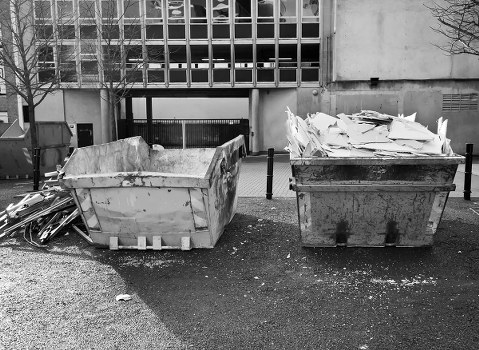 Policy Statement: This health and safety policy sets out the standards and procedures adopted by Flat Clearance Norbiton to protect employees, contractors, clients and the public during all flat clearance, rubbish removal and waste clearance activities. The policy applies to every service we provide, including Norbiton flat clearance and general rubbish removal services, and is designed to ensure work is carried out safely, with minimal environmental impact and in compliance with applicable statutory requirements.
Scope and Objectives
Our objective is to prevent accidents, injuries and work-related ill health by controlling risks associated with flat clearances and waste handling. The scope includes planning, manual handling, vehicle loading, hazardous item identification, site hygiene, storage and disposal decisions. The policy emphasises continuous improvement through regular review and risk assessment so that our rubbish company services maintain consistent safety standards.
Responsibilities
The operating manager has overall responsibility for implementing this policy and ensuring that waste removal Norbiton operations meet health and safety requirements. Supervisors and crew leaders must ensure safe working practices on site, while all staff and subcontractors are required to follow procedures, attend training and report hazards or incidents promptly. Key duties include conducting site-specific risk assessments, ensuring appropriate personal protective equipment (PPE) is used and maintaining accurate records of training and incidents.Risk Assessment & Controls — Risk assessments are carried out before each clearance job. Identified hazards such as sharps, electrical items, asbestos-suspect materials, heavy lifting tasks and vehicle movements are recorded and mitigated. Controls include segregation of waste, appropriate containment, specialist removal for hazardous materials and clear pedestrian exclusion zones around loading areas. We prioritise safe systems of work and use the hierarchy of controls: elimination, substitution, engineering controls, administrative controls and PPE.
Workplace Practices and PPE
All operatives are required to wear suitable PPE for the task: gloves, steel-toe boots, high-visibility clothing, eye protection and respiratory protection when necessary. Manual handling training is mandatory to reduce musculoskeletal injuries during junk removal and furniture lifts. For rubbish clearance services involving dust, mould or biological waste, additional controls such as respiratory masks, dampening techniques and sealed containers are used. Equipment is inspected daily; defective items are removed from service and reported.Safe Vehicle and Site Operations
Vehicles used for flat clearance are maintained to a high standard, with secure load restraints and regular mechanical checks. Loading and unloading are performed according to safe working procedures and with clear communication between crew members. Site-specific traffic management prevents collisions between vehicles and pedestrians. For multi-storey properties, stairway protection and safe carrying techniques are implemented to protect both crew and property.Handling Hazardous and Controlled Waste — Where waste is identified as hazardous or potentially controlled (such as solvents, batteries, fluorescent tubes, asbestos-suspect materials or clinical waste), operations cease until a specialist removal route is arranged. We document waste streams, store hazardous items securely and use licensed carriers and permitted facilities for disposal. This ensures responsible removal and reduces the risk of contamination or regulatory breaches.
Training, Competence and Communication
All personnel engaged in flat clearance duties receive induction training, task-specific instruction and refresher training at regular intervals. Competence is assessed through observation and recorded training logs. Communication protocols, including daily briefings and toolbox talks, ensure that everyone understands hazards and controls for each job. Supervisors are trained to recognise signs of fatigue and stress to protect mental as well as physical health.
Incident Reporting, Investigation and Review
Any accident, near miss or safety concern is reported immediately and investigated to identify root causes and corrective actions. Records of incidents and outcomes are maintained and used to update risk assessments and procedures. Regular safety audits, site inspections and performance reviews are conducted to monitor compliance and to drive improvements across our clearance and rubbish removal operations.Monitoring and Continuous Improvement — Performance measures include incident frequency, audit results, training completion rates and feedback from site inspections. Leadership reviews the policy annually or after significant changes in operations. Flat clearance service protocols are updated in response to incident trends, new regulations or technological improvements, ensuring that our rubbish company services remain safe, efficient and environmentally responsible.
Emergency Procedures — Emergency plans cover first aid provision, fire response, spill control and escalation for hazardous discoveries. First aiders are on-site or on-call during operations and emergency contact and access arrangements are included in pre-job planning. In the event of a major incident, work is stopped and the site secured until safe conditions are restored.
Commitment — Flat Clearance Norbiton is committed to maintaining a safe working environment for everyone affected by our activities. By embedding risk-aware behaviours, investing in training and equipment, and enforcing safe systems of work, we aim to deliver reliable and responsible rubbish clearance and waste removal services across our service area.