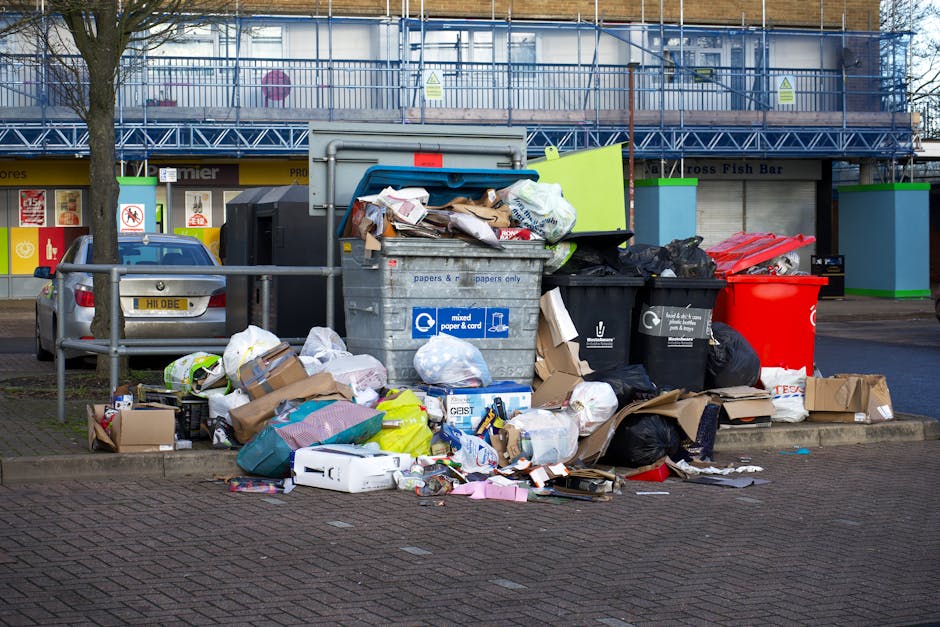
What to know about rubbish permits in Kingston Council
If you are planning a clear-out, renovation, or garden job in Kingston, the permit question can catch people out at the worst possible moment. One minute you are sorting piles of old boards and broken furniture; the next, you are wondering whether a skip, a parked van, or a street collection needs permission first. That is exactly why understanding what to know about rubbish permits in Kingston Council matters. It saves time, reduces stress, and helps you avoid the awkward surprise of delays or extra charges.
In plain English, rubbish permits are part of the rules around placing waste containers or leaving materials in public spaces. The details can vary depending on what you are doing, where the waste will sit, and who is responsible for it. This guide walks you through the practical side of it: when permits tend to be needed, how the process usually works, what can go wrong, and how to keep everything tidy and compliant without making a meal of it.
If your project also involves moving bulky items, mixed waste, or awkward access, it can help to look at related services such as waste removal, what can go in a skip, or even specialist options like builders waste clearance and garden clearance. The right setup makes a bigger difference than people expect, honestly.
Table of Contents
- Why rubbish permits in Kingston Council matter
- How rubbish permits work in practice
- Key benefits and practical advantages
- Who this is for and when it makes sense
- Step-by-step guidance
- Expert tips for better results
- Common mistakes to avoid
- Tools, resources and recommendations
- Law, compliance and best practice
- Options and comparison table
- Case study or real-world example
- Practical checklist
- Conclusion
- Frequently Asked Questions
Why rubbish permits in Kingston Council matter
At a practical level, a permit is about control. Streets, pavements, driveways shared with neighbours, and communal access routes all have limits. A permit helps make sure waste containers or loads of rubbish do not block the public highway, create a hazard, or become someone else's problem. That sounds simple, but in real life it often means the difference between a smooth job and a messy one.
Think about a standard household clear-out on a narrow Kingston road. If a skip goes on the road, it may need permission because it affects parking, visibility, and access. If waste is being left outside a property for collection, the council may care about obstruction, timing, and the type of waste involved. Even when the job seems small, the surroundings can make it more complicated than you expected.
There is also a neighbourly side to it. Nobody enjoys stepping around rubble bags on the pavement, hearing bins dragged out late at night, or finding access blocked on a school-run morning. To be fair, most complaints about rubbish are not really about the rubbish itself. They are about inconvenience, safety, and clutter that lingers too long.
Expert summary: If waste is going to sit in a public space, even temporarily, check the permit rules early. If the job stays entirely on private land and does not obstruct anyone, the situation may be simpler - but do not assume, because that is where mistakes happen.
How rubbish permits work in practice
Although exact procedures can vary, the general idea is straightforward. If you need to place a skip, container, or waste materials on land that the public uses, you may need permission first. That could include a roadside location, pavement, or shared access area. In many cases, the council or the waste operator will tell you what is required before anything is delivered.
The process often starts with the location. Ask yourself: will the waste sit on private drive space, or will it extend into a road, footway, or communal path? If the answer is public or shared space, treat it as a red flag to check the permit position carefully. If the answer is private and fully within your boundary, you may not need a permit for the placement itself, though other rules can still apply.
Another factor is the type of waste arrangement. A skip is not the same as a one-off collection, and a large renovation load is different from a few sacks of household junk. In some projects, people choose a full-house clearance or flat clearance service instead of managing a permit-heavy setup. That can be a cleaner option when access is awkward, there are stairs involved, or there is a lot of mixed material to shift quickly.
Time matters too. Permits are usually about temporary placement, so you should think about how long the waste will stay put. A container left too long, especially in a busy street, can become a nuisance even if it was placed properly in the first place. In our experience, short and planned beats open-ended every time.
There is a useful practical rule here: the more visible and disruptive the waste arrangement, the more likely you are to need formal permission or a careful workaround.
Key benefits and practical advantages
It is easy to see permits as a bureaucratic headache, but they do solve real problems. The biggest benefit is compliance, of course, but there is a wider payoff too. A well-planned waste job feels calmer, cleaner, and more predictable.
- Less risk of delays: When permissions are sorted early, collections and deliveries are less likely to stall at the last minute.
- Fewer disputes: Clear arrangements reduce friction with neighbours, landlords, property managers, and passing traffic.
- Safer working conditions: Proper placement helps keep routes open for pedestrians, vehicles, and emergency access.
- Better cost control: Last-minute changes can be expensive. Planning ahead usually saves money, or at least stops it leaking away in silly ways.
- Cleaner site management: A tidy, legal setup helps the job run faster and reduces the chance of waste spreading into shared areas.
There is also the psychological benefit. Once the permit side is handled, the rest of the job feels more manageable. You can get on with the actual clearing instead of second-guessing yourself every five minutes.
Who this is for and when it makes sense
This topic matters to a wide range of people, not just builders or property managers. If you are moving house, emptying a loft, tackling a garden overhaul, or arranging office clearance, permit questions can appear without warning. Even a fairly ordinary declutter can turn into a permit issue if the waste has nowhere sensible to sit.
You are especially likely to need to think about permits if you are:
- placing a skip or container outside a property
- working from a narrow street with limited parking
- clearing bulky items from a flat or upper-floor property
- managing a renovation with timber, plasterboard, old fittings, or mixed rubble
- removing waste from a business site with shared access
- dealing with furniture, appliances, or awkward items that need special handling
If the work involves a full property rather than one room, services like house clearance, home clearance, or office clearance can be more practical than trying to piece together a DIY waste plan. And if the items are mainly old sofas or beds, specialist pages such as mattress and sofa disposal may be worth checking.
For flat owners and landlords, permits can be tied up with access, neighbours, and shared responsibility. For business owners, there is usually an extra layer of care because waste is part of the premises operation, not just a household job. Nothing dramatic, just one of those things that needs proper handling.
Step-by-step guidance
If you want to approach this sensibly, use a step-by-step process rather than guessing. That is the safest way to avoid a rushed decision on the morning the waste arrives.
- Identify the waste type. Is it household rubbish, builder's debris, green waste, furniture, appliances, or confidential material? Different waste types often need different handling.
- Decide where it will be placed. Keep it on private land if possible. If it must go on public or shared land, expect permit questions.
- Check access and obstruction risks. Can pedestrians pass safely? Can vehicles see clearly? Will anyone still be able to get in and out without drama?
- Choose the right collection method. A skip may suit one job, while a full waste removal service may suit another. If you are unsure, compare both in terms of access, timing, and volume.
- Confirm who is responsible. Sometimes the customer manages the permit, sometimes the waste provider does, and sometimes it is split. Do not leave this vague.
- Allow enough lead time. Permits are not something to sort at 9pm the night before. Give yourself breathing room.
- Prepare the site. Clear the drop zone, protect surfaces where needed, and make sure nobody can argue the placement was careless.
One small but useful habit: take a quick photo of where the waste will go before it arrives. It sounds simple, almost too simple, but it can help if there is later confusion about space, access, or agreed placement.
Expert tips for better results
Here is the part people often skip, and then regret later.
Plan for the awkward bits, not just the obvious ones. A sofa that looks manageable in the living room can become a headache on the stairs. A skip that seems fine in daylight can feel much tighter once parked near a bend or a low wall. The tricky bit is rarely the waste itself; it is the route, the access, and the timing.
Bundle similar items where possible. Mixed waste can be handled, but separating it sensibly makes the job faster and easier to assess. Furniture, green waste, and builder's rubble all behave differently. They really do.
Think about weather and day-to-day life. A permit issue can become a bigger nuisance in rain, school traffic, or a busy weekend. Wet cardboard, muddy bags, and constant foot traffic are not a lovely combination.
Ask about restricted items early. Some materials need special handling, especially anything classed as hazardous or potentially harmful. For example, fridges, chemicals, or sharp waste should not be treated like ordinary rubbish. If in doubt, use specialist routes such as fridge and appliance removal or hazardous waste disposal.
Keep communication short and clear. If you are dealing with a landlord, neighbour, site manager, or contractor, say exactly where the waste will go, when it will be collected, and what it contains. Confusion spreads fast in waste jobs. Like gossip, but smellier.
Common mistakes to avoid
Most permit problems are boring, predictable mistakes. That is good news, because boring mistakes are easier to prevent.
- Assuming private land means no checks at all. Private land can still have access restrictions, shared rights, or lease conditions.
- Leaving it too late. A rushed setup often means the wrong container, the wrong location, or a missed permit step.
- Blocking the pavement. Even a small obstruction can create complaints or safety problems.
- Ignoring the waste type. Mixed loads can be fine, but some items need separate handling.
- Forgetting about height and width. A container may fit on paper and still be awkward in real life.
- Not checking responsibility. If nobody knows who arranged the permit, nobody really owns the risk either.
- Assuming all waste services are the same. They are not. A garage clearance, for instance, may suit a different setup from a building project or a business waste removal job.
The biggest mistake, though, is underestimating how small a waste issue can become once it lands in a busy street. One bag in the wrong place can trigger a chain of annoyances. Annoying, yes. Avoidable, absolutely.
Tools, resources and recommendations
You do not need fancy tools to manage rubbish permits well, but a few practical aids make life easier.
- Measuring tape: Useful for checking whether a skip, load, or pile actually fits where you think it does.
- Phone camera: Handy for recording the site before and after placement.
- Simple site sketch: Especially helpful for narrow access or shared parking areas.
- Waste sorting bags or boxes: Good for separating reusable items, general waste, and materials for specialist handling.
- Job notes: Write down who approved what, on what date, and where the waste is going.
If you are working through a larger clear-out, it may also help to look at service-specific pages such as garage clearance, loft clearance, or flat clearance. These can be a better fit than trying to make a generic waste arrangement do everything.
For people who want more clarity on pricing and practical next steps, pricing and quotes is a sensible place to compare options. If sustainability is part of your decision, the page on recycling and sustainability is also useful because it helps you think beyond simple disposal.
Law, compliance and best practice
With rubbish permits, the safest approach is to treat the rules seriously but calmly. UK waste handling has a strong compliance culture for a reason: public safety, access, environmental duty, and nuisance prevention all sit close together. You do not need to memorise every possible rule, but you do need to know when to pause and check before moving forward.
Best practice usually means three things. First, keep waste off public land unless permission is in place. Second, separate ordinary rubbish from hazardous or specialist waste. Third, make sure the person arranging the removal understands their responsibility. That might sound obvious, but teams and households often assume someone else has it covered. Then nobody does.
For commercial jobs, extra care is sensible. Business waste should be stored, moved, and documented properly, especially if the work involves repeated collections or confidential material. In those cases, options like business waste removal or confidential shredding can help keep things orderly and reduce the chance of admin headaches later.
Health and safety is not just a formality either. Loose bags, broken glass, heavy lifting, damp surfaces, and poor visibility can turn a routine job into an avoidable incident. If you are coordinating a bigger clearance, it is worth reading a provider's health and safety policy and insurance and safety information so you know what standards they follow.
Options and comparison table
Different rubbish jobs call for different approaches. Choosing the right one is often the difference between a tidy day and a slightly chaotic one.
| Option | Best for | Permit risk | Practical note |
|---|---|---|---|
| Skip on private drive | Space is available and access is straightforward | Lower | Usually the simplest route if the vehicle can access safely |
| Skip on road or pavement | No private space is available | Higher | Often triggers permit checks and more planning |
| Man-and-van style waste removal | Mixed rubbish, furniture, or quick clear-outs | Lower to medium | Useful when you want speed and less street disruption |
| Full property clearance | House, flat, loft, or office contents | Usually lower on-site, but still depends on access | Good when many items need removing in one visit |
| Specialist disposal | Appliances, sofas, hazardous items, or restricted loads | Varies | Best when the waste needs special handling |
If you are standing there with a cup of tea at 7am wondering which route is less painful, the answer is usually the one that matches your access best. Not the cheapest on paper. The one that actually fits the site.
Case study or real-world example
Picture a homeowner in Kingston clearing out a small terrace property after years of family storage in the loft and hallway. There are old boxes, broken furniture, a mattress, some bagged rubbish, and a few awkward items that will not fit neatly into the car. The front drive is tiny. The pavement is narrow. Parking is already tight before lunch.
At first, the homeowner thinks a skip might be the answer. But once the access is measured properly, the roadside option starts to look cumbersome. A permit would likely be part of the conversation, and the skip might make neighbours grumpy because it reduces parking space. After a quick rethink, a more flexible clearance approach becomes the better fit. The loft is emptied, the sofa is taken through the right route, and the waste is handled in one go without blocking the street for days.
That kind of situation is very common, truth be told. The job looks like a simple "just get rid of it" task until the access, timing, and placement are checked properly. Once that happens, the sensible option becomes obvious.
Practical checklist
Use this before you book or place any waste arrangement in Kingston.
- Confirm whether the waste will sit on private, shared, or public land
- Measure the space properly, not just by eye
- Check whether the waste type needs specialist handling
- Decide who is responsible for permits or permissions
- Make sure access stays open for pedestrians and vehicles
- Consider whether a clearance service is better than a skip
- Ask about restricted items before collection day
- Prepare the area so loading or placement is safe and quick
- Keep notes of dates, permissions, and agreed arrangements
- Review whether recycling or reuse options are available for any items
A quick checklist like this takes a few minutes. A permit mistake can take much longer to unwind. Simple maths, really.
Get a free quote today and see how much you can save.
Conclusion
When people ask what to know about rubbish permits in Kingston Council, the real answer is less about paperwork and more about planning. If waste stays neatly on private land and does not obstruct anyone, the job may be straightforward. If it touches public space, access routes, or shared areas, the permit question deserves proper attention before anything arrives.
The best results usually come from slowing down just long enough to measure the space, identify the waste, and choose the right method. That small pause can save hassle, money, and a fair amount of frustration. And let's face it, nobody wants to be wrestling with a blocked pavement and a rushed collection while everyone else is trying to get past with shopping bags and prams.
If you keep the practical details in view, the process becomes manageable. Not glamorous, sure. But manageable, and that counts for a lot.
Frequently Asked Questions
Do I always need a permit for rubbish in Kingston Council?
Not always. A permit is more likely when waste or a container sits on public land such as a road or pavement. If everything stays fully within private property, the position is often simpler, but it is still worth checking access and any local restrictions.
Who usually arranges the permit?
It depends on the setup. Sometimes the customer arranges permission, sometimes the waste provider handles it, and sometimes the responsibility is shared. Always confirm this early so nobody is left guessing on collection day.
Is a skip permit the same as permission for rubbish bags on the pavement?
Not necessarily. A skip permit and a permit or approval for temporary rubbish placement are related ideas, but they are not always treated the same way. The key difference is what is being placed, where it is placed, and for how long.
Can I put rubbish on the road outside my house if it is only for a short time?
Short time does not always mean no rules. Even brief placement can cause obstruction or safety issues. If waste is leaving private land and entering a public space, check the position before you do anything.
What happens if I ignore the permit rules?
You could end up with delays, complaints, removal requests, or extra costs. In some cases, the waste may need to be moved quickly, which is exactly when things get stressful and expensive.
How do I know whether my waste is classed as hazardous?
If it includes chemicals, oils, certain cleaning products, sharp materials, or anything that could harm people or the environment if handled badly, treat it carefully and ask for specialist advice. When in doubt, do not mix it with ordinary rubbish.
Do flats and shared buildings have different permit issues?
They often do. Shared entrances, communal paths, and limited parking can make placement more complicated. Flat clear-outs frequently need more planning than people expect, especially in tighter streets.
Is it better to use a skip or a clearance service?
It depends on access, waste volume, and how much sorting you want to do yourself. A skip can be good for ongoing work, while a clearance service can be better for fast removal, bulky items, and properties with awkward access.
What should I check before booking a waste collection?
Check the access route, waste type, timing, responsibility for permissions, and any items that need special handling. If the job is larger, it is also wise to review pricing, insurance, and recycling practices.
Can furniture and bulky items affect permit decisions?
Yes, because bulky items often need more space during loading and may require street-side staging if access is tight. That is one reason furniture-heavy jobs can benefit from dedicated services like furniture clearance or furniture disposal.
What is the safest first step if I am unsure?
Start by measuring the site and identifying where the waste will actually sit. That one detail answers more permit questions than people realise. If the placement is unclear, treat it as a sign to pause and check before booking.
How do I keep a rubbish job compliant without overcomplicating it?
Keep it simple: place waste on private land if possible, separate hazardous items, confirm responsibility early, and choose the right service for the site. Most permit problems happen when people try to wing it, and to be fair, that rarely ends well.